The Rise of Daily Greens and Super Blends: Are You Getting Meaningful Doses?
16.06.2026
Daily greens powders and all-in-one wellness supplements have become one of the fastest-growing categories in the health and wellness industry.

Promising convenience, simplicity, and broad nutritional support, these products often combine dozens of vitamins, minerals, plant extracts, probiotics, functional mushrooms, adaptogens, and other bioactive compounds into a single daily serving.
For many consumers, the appeal is obvious. Rather than taking multiple supplements, many people prefer a single daily serving that combines multiple nutrients and wellness ingredients.
This convenience has helped fuel growing interest in daily greens powders, wellness blends, and all-in-one supplements. But as these formulations become increasingly complex, an important question emerges:
Are you getting meaningful doses of the ingredients that matter most?
This article explores the growing popularity of super blends, why dosage and transparency matter, and how consumers can make more informed decisions when evaluating modern wellness supplements.
Why Have Daily Greens and Super Blends Become So Popular?
Modern life is busy. Many people are looking for simple ways to support their health without managing multiple products or complicated routines.
At the same time, interest in preventative health, longevity science, metabolic wellbeing, healthy ageing, and nutritional optimisation has increased dramatically. Consumers are increasingly seeking products that can support multiple aspects of health through a single daily habit.
Daily greens products often contain:
- Vitamins and minerals
- Fruit and vegetable powders
- Adaptogens
- Functional mushrooms
- Digestive enzymes
- Probiotics
- Antioxidants
- Herbal extracts
For some people, these products provide a convenient entry point into supplementation and encourage consistency.
However, convenience and effectiveness are not necessarily the same thing.
More Ingredients Does Not Always Mean More Benefits
One of the most common assumptions in supplementation is that more ingredients automatically means a better product.
A label containing 50, 70, or even 100 ingredients can appear impressive. Yet the number of ingredients tells us very little about the quantity of each ingredient present.
The reality is that every formulation must work within practical constraints.
A supplement serving can only contain a certain amount of material before:
- Taste becomes challenging
- Costs increase significantly
- Capsule sizes become impractical
- Serving volumes become excessive
As more ingredients are added, manufacturers face decisions regarding the quantity allocated to each ingredient.
This is why understanding dosage is often more important than simply counting ingredients.
Why Dosage Matters
In nutrition and supplementation, dosage matters.
A nutrient or botanical may have been researched at a particular intake level, but that does not automatically mean the same effects can be expected if only a small amount is included in a blend.
This does not mean that lower doses are necessarily ineffective. Rather, it means consumers should understand both the presence of an ingredient and the amount being provided.
When evaluating a supplement, it is useful to ask:
- Is the ingredient quantity disclosed?
- Is the ingredient included for a specific purpose?
- Does the manufacturer explain why the ingredient has been included?
- Is there evidence supporting its intended use?
The National Center for Complementary and Integrative Health highlights the importance of evaluating supplement claims and understanding the evidence behind dietary supplements.
Why Clinical Doses Matter
One reason dosage has become such an important topic in modern supplementation is that scientific studies are typically conducted using clearly defined quantities of an ingredient. When researchers investigate longevity compounds, the results are linked to the specific dose that participants receive.
This does not mean every supplement must exactly replicate a research protocol, nor does it guarantee that a higher dose is always better for all compounds. However, it does highlight why consumers should pay attention to ingredient quantities rather than simply ingredient lists.
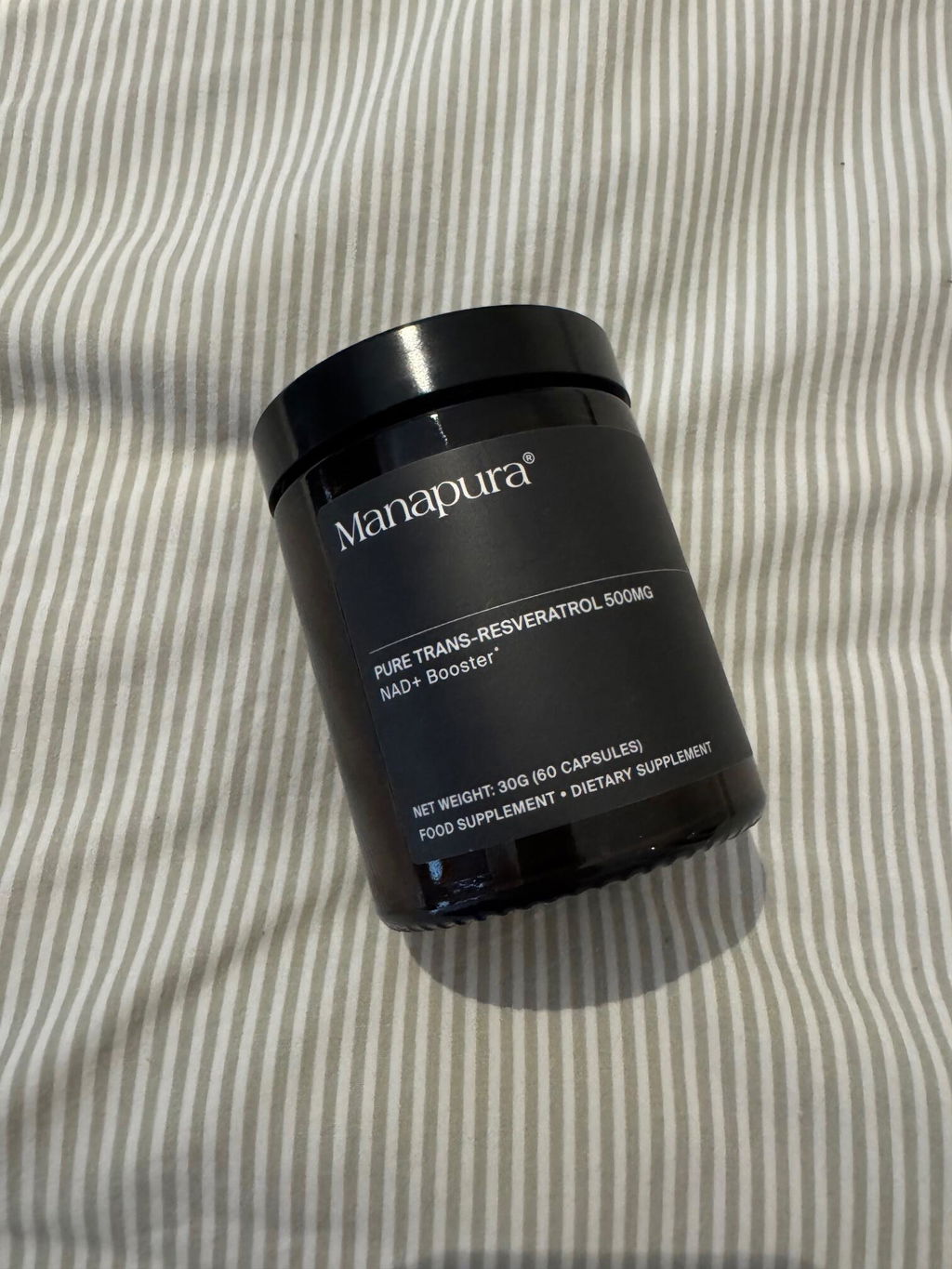
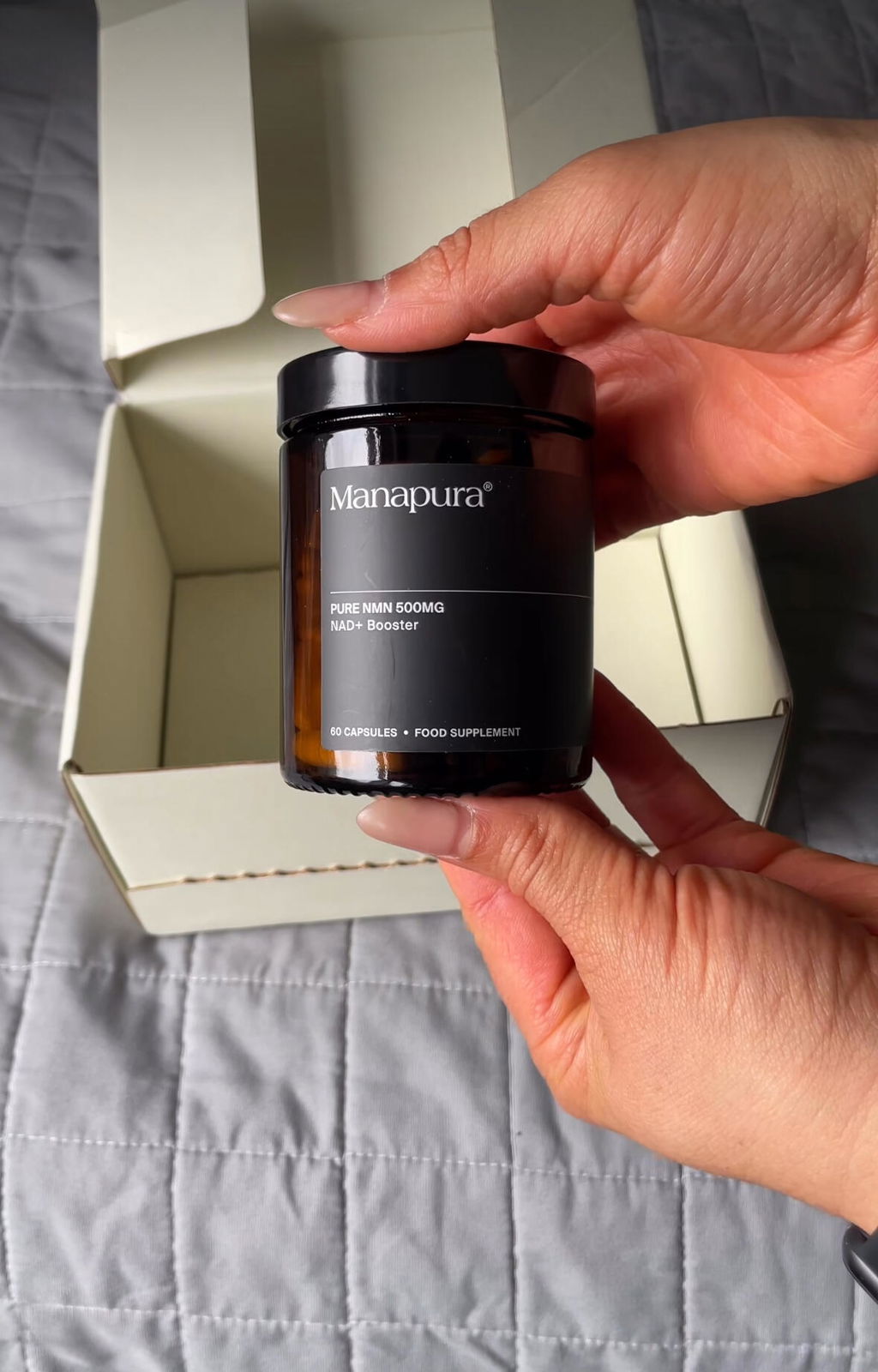
At Manapura, our philosophy is to formulate products around doses that are consistent with those commonly used in published human studies, or within the ranges most frequently explored by researchers. This helps ensure that the amount of an ingredient being provided is meaningful, transparent, and aligned with the way that ingredient has been scientifically investigated.
This approach differs from formulations that prioritise fitting large numbers of ingredients into a single serving. While broad formulations may offer convenience, Manapura's focus is on providing clearly labelled, single-ingredient supplements at doses that reflect the current scientific literature, allowing consumers to build targeted routines based on their own goals and priorities.

The Transparency Question
Transparency has become one of the most important themes in the modern supplement industry.
Many consumers now want to know:
- Exactly what they are taking
- How much they are taking
- Where ingredients come from
- How products are tested
This is particularly relevant when products use proprietary blends.
A proprietary blend combines multiple ingredients under a single total weight declaration, often without necessarily disclosing the quantity of each individual ingredient.
This can make it more difficult for consumers to evaluate formulations and compare products.
This is one reason why understanding supplement labels and ingredient disclosure is increasingly important for consumers.
Can One Product Really Support Every Health Goal?
This is perhaps the most important question consumers should ask.
Modern wellness encompasses a wide range of goals, including:
- Energy
- Sleep
- Recovery
- Stress resilience
- Cognitive function
- Metabolic health
- Healthy ageing
- Exercise performance
Each of these goals involves different biological pathways.
For example:
- Sleep support may focus on stress regulation and nervous system balance.
- Metabolic health may focus on glucose regulation and insulin sensitivity.
- Longevity science often focuses on cellular maintenance pathways.
- Cognitive performance may involve entirely different mechanisms.
Because these systems are distinct, it is reasonable to ask whether a single formulation can provide meaningful support across every category simultaneously.
This does not mean broad formulations lack value. Rather, it highlights the importance of understanding what a product is designed to achieve.
What Longevity Science Teaches Us
One of the most interesting developments in modern health research is the emergence of longevity science.
Researchers increasingly recognise that ageing is influenced by multiple biological processes, often referred to as the ‘hallmarks of ageing’, as described our hallmarks of ageing blog.
These include:
- Mitochondrial dysfunction
- Genomic instability
- Cellular senescence
- Altered nutrient sensing
- Loss of proteostasis
Because ageing involves multiple pathways, researchers often study ingredients individually to understand their specific biological effects.
This has helped drive interest in targeted supplementation approaches focused on particular areas of health and wellbeing.
Targeted Supplementation vs Broad Supplementation
Daily greens and broad wellness blends can offer convenience.
However, some consumers increasingly prefer targeted supplementation.
Rather than seeking one product to support every goal, they choose specific ingredients aligned with specific objectives.
Examples include:
-
NMN for NAD⁺ support and healthy ageing.
-
Spermidine in relation to autophagy research.
-
Berberine for metabolic health support.
-
TMG for methylation support.
-
Fisetin for its role in ageing research.
-
Reishi for stress resilience and sleep support.
-
Lion's Mane for cognitive health.
- Cordyceps for energy and physical performance.
This does not mean one approach is inherently superior. The most appropriate strategy depends on individual goals, preferences, and circumstances.
Food First, Supplements Second
It is important to remember that supplements are designed to supplement a healthy diet, not replace one.
The Harvard T.H. Chan School of Public Health notes that dietary supplements should complement rather than replace a healthy eating pattern.
A strong foundation remains:
- Nutritious food
- Exercise
- Sleep
- Stress management
- Social connection
- Preventative healthcare
As described in our What is Longevity guide, supplements can support these foundations, but they are rarely a substitute for them.

Final Thoughts
Daily greens powders and super blends have become popular for good reason. They offer convenience, simplicity, and broad nutritional coverage within a single product.
However, ingredient count alone does not determine quality.
Consumers increasingly benefit from looking beyond marketing claims and asking more fundamental questions:
- What ingredients are included?
- How much of each ingredient is provided?
- Is the formulation transparent?
- Does the product align with my goals?
As interest in longevity, healthy ageing, and preventative wellness continues to grow, understanding dosage, transparency, and evidence-based formulation may become more valuable than simply counting ingredients on a label.
Ultimately, informed consumers are better positioned to make choices that genuinely support their long-term health.
Frequently Asked Questions
-
Are daily greens powders worth taking?
Daily greens powders can be a convenient way to increase nutritional intake, but consumers should also consider dosage, ingredient quality, and transparency.
-
What is a super blend supplement?
A super blend supplement combines multiple categories of ingredients such as vitamins, minerals, botanicals, probiotics, and functional mushrooms into a single formulation.
-
Why does dosage matter in supplements?
Many ingredients are researched at specific intake levels, making ingredient dose (or quantity) an important factor when evaluating a supplement.
-
Are proprietary blends bad?
No, not necessarily. However, proprietary blends may make it more difficult for the consumers to determine how much of each ingredient is present.
-
Is targeted supplementation better than all-in-one supplements?
Neither approach is universally better. Targeted supplementation offers precision, while all-in-one supplements prioritise convenience and broad coverage, often at lower doses.
References
National Institutes of Health Office of Dietary Supplements.
Dietary Supplements: What You Need to Know.
https://ods.od.nih.gov/factsheets/WYNTK-Consumer/
National Center for Complementary and Integrative Health (NCCIH).
Using Dietary Supplements Wisely.
https://www.nccih.nih.gov/health/using-dietary-supplements-wisely
U.S. Food and Drug Administration (FDA).
Dietary Supplements.
https://www.fda.gov/food/dietary-supplements
López-Otín, C., Blasco, M. A., Partridge, L., Serrano, M., & Kroemer, G. (2013).
The Hallmarks of Aging.
Cell, 153(6), 1194-1217.
https://www.cell.com/cell/fulltext/S0092-8674(13)00645-4
Harvard T.H. Chan School of Public Health.
Dietary Supplements.
https://nutritionsource.hsph.harvard.edu/dietary-supplements/
Disclaimer: This article is for general information and educational purposes only and is not medical advice. Manapura products are food supplements, not medicines, and should not be used to diagnose, treat, cure, or prevent any disease. If you have a medical condition, take prescription medication, are pregnant or breastfeeding, always consult your healthcare professional before use.